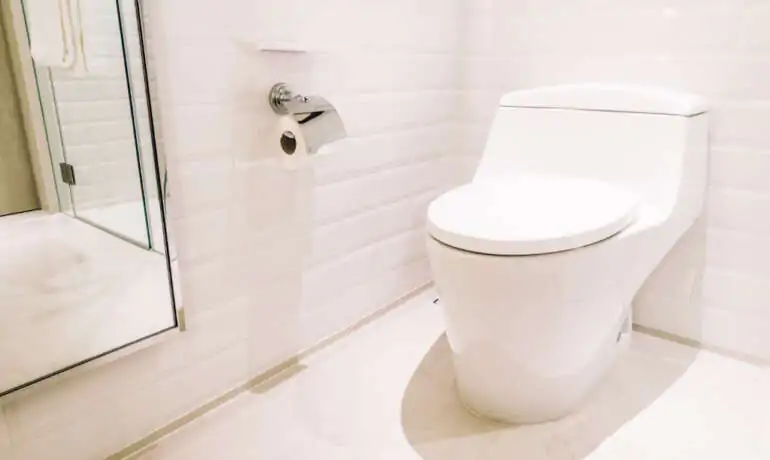
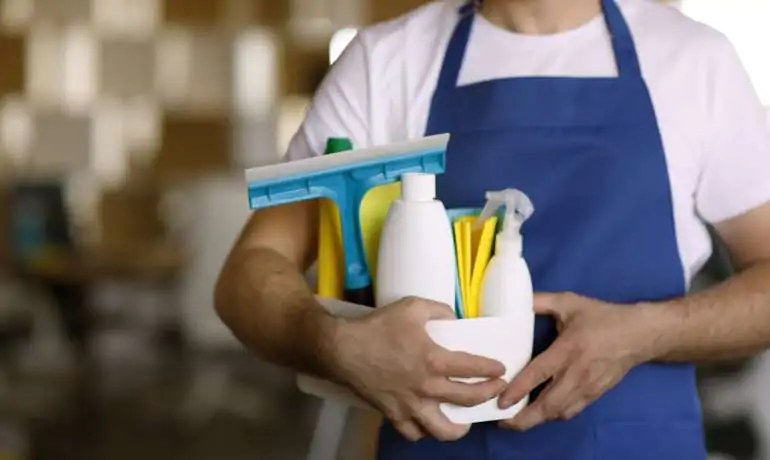
Hi there! I’m Mykola, and if you’ve been following our blog, you know we don’t just write about cleaning — we do it. Every single day, our team at GoShineUp (https://goshineupcleaning.com/) walks into bathrooms across Waterford, Pontiac, West Bloomfield, and all of Oakland County. We’ve seen everything from spotless showrooms to bathrooms that haven’t had a real deep clean in years.And here’s what I can tell you after thousands of bathroom cleans: there’s a huge difference between a regular wipe-down and a true deep clean. This guide is about the second one.
Whether you want to do it yourself or you’re curious what a professional cleaning service actually does — you’re in the right place.

What Is a “Deep Clean” vs. Regular Cleaning?
Before we dive in, let’s get clear on what we mean.
Regular cleaning = weekly maintenance. Wiping the sink, a quick toilet scrub, mopping the floor. It keeps things presentable.
Deep cleaning = getting into every corner, crevice, and surface that regular cleaning misses. Grout lines. Behind the toilet. The inside of the toilet tank. Exhaust fan blades. Under the rim. Soap scum buildup on shower walls.
At GoShineUp, we recommend deep cleaning your bathroom at least once every 4–6 weeks — more often if you have kids or pets, or live in an area with hard water (which Waterford definitely has, by the way).
What You’ll Need: Deep Cleaning Supplies List
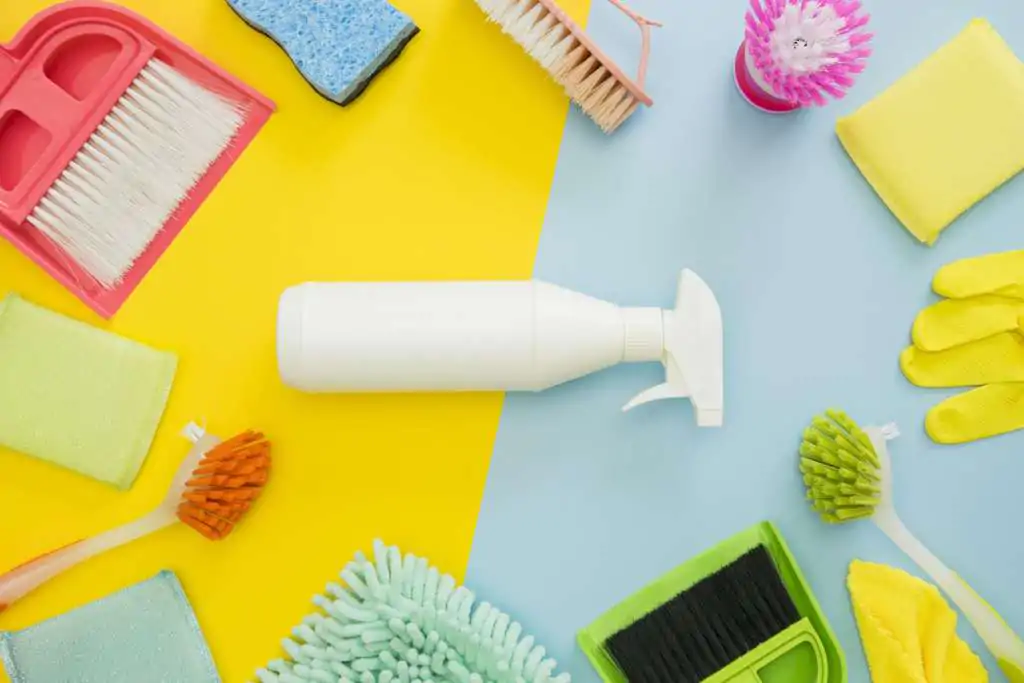
Gather these before you start. Running back and forth to the cabinet mid-clean breaks your momentum:
Cleaners:
- All-purpose disinfectant spray (like Lysol or Method)
- Toilet bowl cleaner (get one with hydrochloric acid for hard stains)
- Baking soda + white vinegar (natural combo for grout and soap scum)
- Hydrogen peroxide (for mold spots)
- Glass cleaner (streak-free, for mirrors)
- Grout cleaner or a paste of baking soda
Tools:
- Rubber gloves (non-negotiable — protect your skin)
- Microfiber cloths (3–4 minimum)
- Old toothbrush or small grout brush
- Stiff-bristle scrub brush
- Squeegee
- Long-handled duster or extendable brush
- Mop or steam mop for the floor
Tip from our team: Put your toilet bowl cleaner in first — before anything else. It needs time to sit and work. While it soaks, you clean everything else.
Step 1: Declutter and Remove Everything
Start with a completely clear space. Remove:
- Shampoo bottles, soaps, razors — everything from the shower and tub ledge
- Items from the countertop
- Bath rugs and towels (throw them in the wash now)
- Trash can (clean it separately)
- Any decorations or organizers
You cannot deep clean around objects. A clear surface = a clean surface.
Step 2: Apply Toilet Bowl Cleaner First (Let It Sit)
Squirt toilet bowl cleaner under the rim and let it sit for at least 10–15 minutes. Don’t touch it yet. Just let the product work.
This is the #1 thing most people skip. They apply cleaner and immediately scrub. But the chemicals need time to break down mineral deposits, hard water stains, and bacteria. Patience here saves you scrubbing energy later.
Step 3: Dust High Surfaces First (Top to Bottom)
This is the rule we live by: always clean top to bottom. Dust falls down, so you don’t want to clean your floor and then have ceiling dust fall on it.
Hit these areas with a duster:
- Exhaust fan — this one is always neglected. Dust buildup here circulates back into your air. If possible, remove the cover and wipe the blades with a damp cloth.
- Light fixtures (turn off the power first if you’re going to wet-wipe them)
- Top of the mirror frame
- Top of cabinets and shelves
- Corners where cobwebs build up
- Window sill and ledge
Step 4: Clean the Mirror and Glass
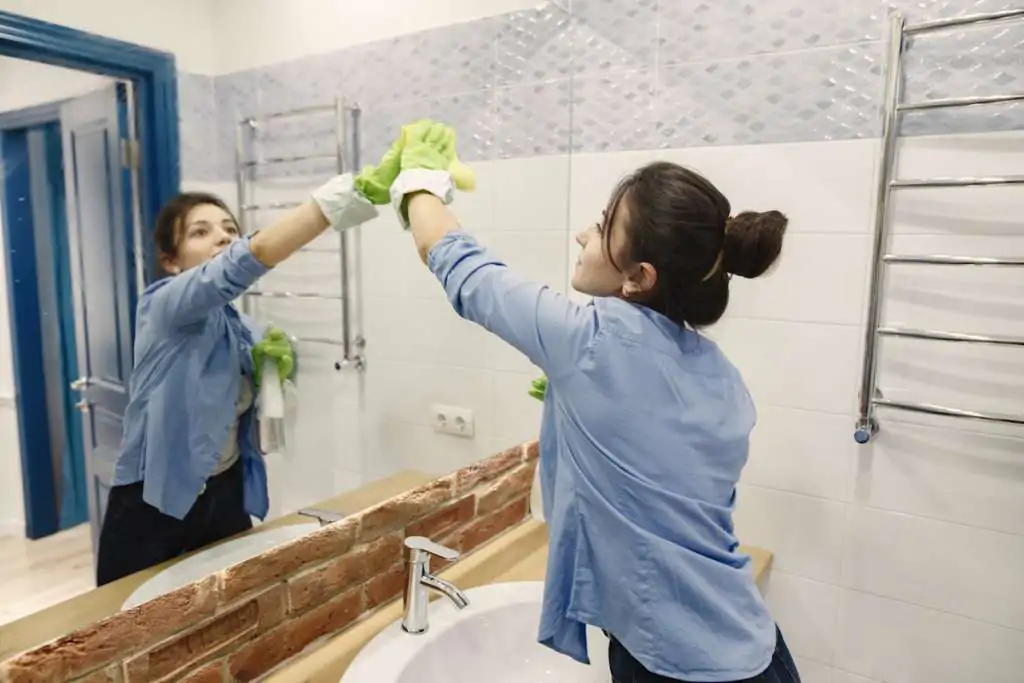
Spray glass cleaner directly onto a microfiber cloth (not the mirror — it drips and streaks). Wipe in a circular motion, then finish with a dry buff.
For foggy or cloudy mirrors: Mix equal parts white vinegar and water in a spray bottle. Same technique. This works better than most commercial glass cleaners for mineral buildup.
If you have glass shower doors, apply a paste of baking soda and a few drops of dish soap. Let it sit 5 minutes, then scrub with a non-scratch pad. The soap scum breaks apart without scratching the glass.
Step 5: Scrub the Shower and Tub
This is the biggest zone — and where most people’s “regular cleaning” falls short. Here’s the full breakdown:
Shower walls and tiles: Spray with all-purpose disinfectant or a diluted bleach solution. Let it sit 3–5 minutes. Scrub with a stiff brush using circular motions. Pay special attention to the area around fixtures (faucet base, showerhead connection) — grime loves to hide there.
Grout lines: Apply baking soda paste directly to grout and scrub with an old toothbrush. For dark or stained grout, use hydrogen peroxide instead of water in your paste. For black spots (mold), a bleach-based grout cleaner is your best bet.
Note: If your grout is consistently moldy and coming back fast, that’s a ventilation problem. Make sure your exhaust fan works properly — it’s a major factor in bathroom mold.
Showerhead: Fill a plastic bag with white vinegar, secure it around the showerhead with a rubber band or twist tie, and let it soak for 20–30 minutes. This dissolves mineral deposits and improves water pressure. Simple and effective.
Bathtub: Sprinkle baking soda all over the tub surface, spray with vinegar (it’ll foam — that’s fine), let it sit a few minutes, then scrub and rinse. For tough ring stains, make a paste of baking soda and hydrogen peroxide, apply, let sit 10 minutes, then scrub.
Step 6: Clean the Sink and Faucet
People forget how much bacteria lives on a bathroom faucet handle. You touch it right after blowing your nose or before washing your hands — think about that.
Sink basin: Sprinkle baking soda in the basin, add a few drops of dish soap, scrub with a brush, rinse.
Faucet and handles: Spray with disinfectant. Use an old toothbrush to get into the base where the faucet meets the countertop — that’s where soap and grime build up most.
Drain: Remove the stopper if possible. Clean it with a brush and hot soapy water. Pour a cup of baking soda down the drain, followed by a cup of vinegar, wait 15 minutes, then flush with boiling water. Eliminates slow drains and odors.
Countertop and backsplash: Wipe down with disinfectant spray and a microfiber cloth. Toothpaste splatter, hair products, lotion residue — all of it builds up over time.
Step 7: Deep Clean the Toilet (The Right Way)
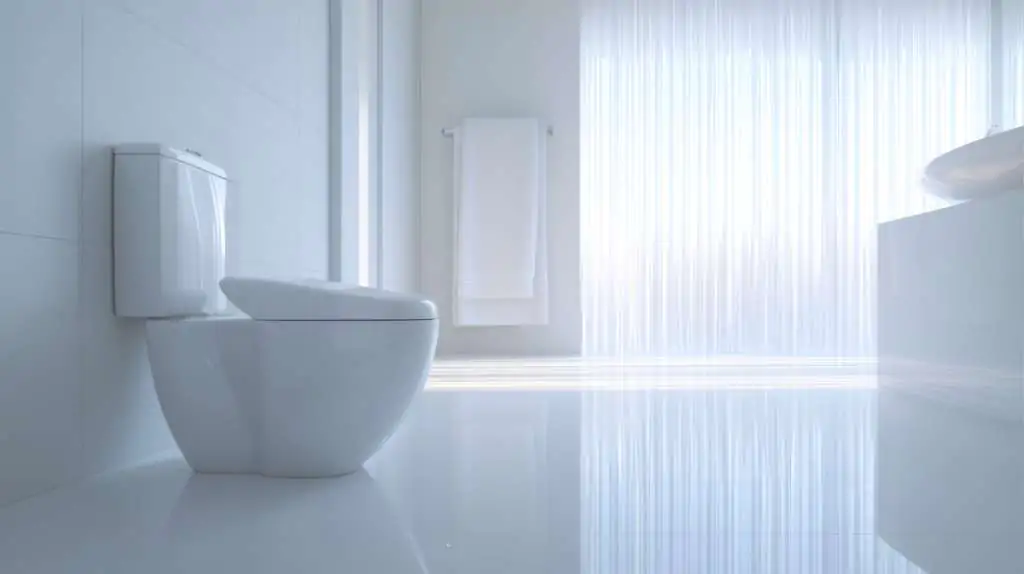
By now, your toilet bowl cleaner has been sitting 15+ minutes. Good. Let’s finish the job.
Outside first, inside last — always. The outside is dirtier than people realize.
Outside cleaning order:
- Flush lever / handle — wipe with disinfectant (most-touched, least-cleaned surface in the bathroom)
- Tank — top and sides
- Lid — top and underside
- Seat — both sides (use disinfectant spray, let sit 30 seconds, wipe)
- Bowl exterior — sides and base
- Behind the toilet — get down there with a cloth. Dust and hair accumulate here every single week. This is one of those spots that separates a real deep clean from a surface wipe.
Inside: Scrub under the rim with your toilet brush — work in circular motions. Get all the way around. Flush, then wipe the brush holder with disinfectant too.
Toilet tank (often skipped): Remove the lid and peek inside. If you see buildup, mineral deposits, or discoloration — pour a cup of white vinegar in the tank, let it sit an hour, then flush several times.
For the full toilet-specific deep clean process — including tank cleaning and behind-the-toilet — see our dedicated guide on how to deep clean a toilet.
Step 8: Clean the Baseboards and Walls
Baseboards are a dust and hair magnet. Wipe them down with a damp microfiber cloth. If they have grime buildup, a diluted all-purpose cleaner on a cloth works great.
While you’re down there, check the bottom of the walls. Splash zones around the sink and toilet base often have dried residue that gets ignored for months.
Step 9: Mop the Floor (Do This Last)
Always last. You’ve been cleaning surfaces above the floor this whole time — dust and drips have settled. Now you mop.
Tile floors: Sweep or vacuum first to remove hair and debris. Mop with a diluted floor cleaner. For grout between floor tiles, use the same toothbrush + baking soda technique from the shower section.
Vinyl floors: Skip the vinegar — it degrades vinyl over time. Use a mild floor cleaner and a damp (not soaking) mop.
Let the floor dry before placing the bath mat back.
Step 10: Finish and Reset the Space
Once everything is clean and dry:
- Put fresh towels back
- Replace bath mat (freshly washed)
- Organize products back on shelves/shower ledge
- Spray a light mist of air freshener or diffuse some essential oil if you like
Take a look. That’s what a real deep clean looks like.
How Often Should You Deep Clean Your Bathroom?
| Household Type | Recommended Frequency |
|---|---|
| 1–2 adults, no kids/pets | Every 4–6 weeks |
| Family with kids | Every 2–3 weeks |
| Household with pets | Every 2–3 weeks |
| Allergy sufferers | Every 1–2 weeks |
| Hard water area (like Waterford, MI) | Every 3–4 weeks |
Regular cleaning in between? Yes — still worth doing weekly. A quick wipe of the toilet, sink, and mirror takes 10 minutes and keeps deep cleans from becoming overwhelming.
Common Deep Cleaning Mistakes to Avoid
Mixing bleach with other cleaners — never mix bleach with vinegar, ammonia, or any other cleaner. The fumes can be toxic.
Skipping the exhaust fan — if your fan isn’t working or you never run it, moisture stays in the room and mold grows faster than any cleaner can keep up.
Using the same cloth everywhere — use separate cloths for the toilet area vs. sink/surfaces. Cross-contamination is real.
Not letting products sit — this is probably the most common mistake. Products need contact time to work. Spray, wait, then scrub.
For a full breakdown of toilet stains specifically — including hard water rings and mineral scale — check our guide on how to clean a stained toilet.
Too Busy? Let GoShineUp Handle It
Look, we know this is a lot. A proper bathroom deep clean takes 45 minutes to an hour if you do it right. That’s time most people in Waterford, West Bloomfield, and Pontiac just don’t have on a regular basis.
That’s exactly why GoShineUp exists.
Our team uses the same process described in this guide — every time, every home. We bring all the supplies, we don’t cut corners, and we leave your bathroom looking and smelling like it just came out of a hotel renovation.
Whether you want a one-time deep clean, a recurring cleaning schedule, or a move-in/move-out clean — we’ve got you covered across Oakland County.
FAQs: Deep Cleaning a Bathroom
GoShineUp Cleaning LLC — Serving Waterford Township, Pontiac, White Lake, West Bloomfield, and all of Oakland County, MI. Licensed • Insured • Family-Owned