Hi, I’m Mykola from GoShineUp Cleaning. Our team handles dozens of move-out cleans every month across Waterford, Pontiac, West Bloomfield, Troy, and the rest of Oakland County. We’ve cleaned right before landlord inspections. We’ve talked to property managers about exactly what they check. Here’s the reality most renters don’t know: according to a Nationwide survey, only 41% of renters get their full security deposit back. The other 59% lose money — sometimes hundreds, sometimes thousands.
And it’s almost always for the same reason: they thought they cleaned enough. They didn’t. This is the same checklist our team works through on every move-out clean. Use it to do it yourself, or keep it so you know exactly what to demand when you hire a professional.

Why This Matters: Michigan Security Deposit Law
Before you start cleaning, you need to know your legal rights in Michigan. This changes how you approach the move-out.
The 30-Day Rule (MCL § 554.609): Your landlord has 30 days from the date you move out to either return your full security deposit OR send you an itemized list of deductions. If they miss that deadline, they legally forfeit the right to withhold any portion of your deposit.
The 4-Day Rule: You must provide your landlord a forwarding address in writing within 4 days of moving out. If you don’t, they’re not obligated to send you the deposit or the damages list. Miss this step and you can lose everything.
The 7-Day Response Rule: If your landlord sends you a list of deductions and you disagree, you have 7 days to dispute the charges in writing. Miss this and you lose your right to contest.
Wear and Tear vs. Damage: This is critical. Michigan law says landlords cannot deduct for “normal wear and tear.” They can only deduct for actual damage beyond normal use. Faded paint from sunlight? Normal wear. Crayon on the wall? Damage. Worn carpet from foot traffic? Normal wear. Pet urine stain? Damage.
This means a proper move-out clean has one job: remove everything that could be classified as damage or dirtiness beyond normal wear. That’s what this checklist is for.
This is general information based on Michigan Compiled Laws current as of 2026 and is not legal advice. For your specific situation, consult a Michigan attorney or Michigan Legal Help.
Before You Start: 5 Things That Protect Your Deposit
Cleaning alone won’t guarantee your deposit. Do these five things first:
1. Document everything with photos and video. Before you start cleaning, walk through every room with your phone and record the condition. After cleaning, do it again. Include timestamps. This is your evidence if there’s a dispute later.
2. Find your original move-in checklist. Compare the condition then vs. now. Michigan landlords are required to provide a move-in inventory checklist — if you signed one, dig it up.
3. Request a walkthrough with your landlord. Schedule it after you’ve cleaned but before you return keys. Attend in person. Bring your camera.
4. Prepare your forwarding address form. Write it up now, deliver it in writing (not just verbally) within 4 days of moving out. Send by certified mail or get a signed receipt.
5. Keep every receipt. Cleaning products, professional services, repair materials — save everything. If your landlord tries to charge for something you already fixed, receipts are proof.
What You’ll Need to Deep Clean
Cleaners:
- All-purpose disinfectant spray
- Glass cleaner (streak-free)
- Toilet bowl cleaner
- Degreaser (for kitchen)
- White vinegar
- Baking soda
- Dish soap
- Carpet stain remover
- Oven cleaner (if oven cleaning is not self-clean)
Tools:
- Rubber gloves
- Microfiber cloths (10+, separate colors for kitchen/bathroom)
- Extendable duster
- Old toothbrush
- Magic eraser (Mr. Clean or similar — great for scuffs on walls)
- Vacuum with crevice attachments
- Mop and bucket
- Step stool
- Screwdriver (for removing outlet covers, air vents)
For damage repair:
- Spackle for nail holes
- Small paintbrush + matching wall paint
- Caulk (white, for touch-ups on baseboards or bathrooms)
Move-Out Cleaning Checklist by Room
The order matters. Work from the least-used rooms to the most-used, then finish with kitchen and bathrooms last. Save the floors for the very end.
🛏️ Bedrooms and Closets

Bedrooms are usually the easiest, but landlords check details:
- Walls: Fill all nail holes with spackle, sand smooth, touch up with matching paint. Wipe scuffs with a magic eraser.
- Closets: Wipe every shelf top and bottom, the closet rod, and the walls inside the closet
- Closet floors: Vacuum every corner — dust and lint accumulate here
- Window tracks: Vacuum debris out of tracks, wipe clean with damp cloth
- Blinds: Dust each slat — landlords notice this
- Ceiling fan and light fixtures: Dust blades and wipe globes
- Baseboards: Wipe every baseboard with a damp cloth
- Door frames: Wipe frames and doors on both sides, including tops
- Light switches and outlets: Disinfect and check for any marks around them
- Carpet: Vacuum thoroughly, treat any stains, consider professional cleaning if pets lived here
Michigan tip: Landlords cannot charge you for routine carpet cleaning between tenants (that’s their turnover cost). But they CAN charge for stains and pet damage. Document any pre-existing stains from move-in.
🛁 Bathrooms
Bathrooms are inspection-heavy. Landlords check every corner because water damage and mold are their biggest concerns.
Toilet:
- Scrub bowl inside (under the rim, in the water, exterior)
- Wipe tank, flush handle, seat (both sides), and base
- Get behind the toilet — dust, hair, and residue collect there
- Clean caulk line where toilet meets floor
Shower/Tub:
- Scrub all tile surfaces with disinfectant
- Treat grout with baking soda paste — grout stains are a common deduction
- Remove soap scum from doors, walls, and shower head
- Clean drain and cover
- Check caulk line — replace if moldy or discolored (this is cheap and saves you money)
Sink and vanity:
- Scrub sink, faucet, and drain
- Wipe inside and outside of vanity cabinets and drawers
- Clean mirror (streak-free)
- Wipe backsplash and countertop
- Check under-sink area for water damage signs
Exhaust fan:
- Remove cover and wash it
- Dust the fan blades
- A dirty fan cover is on almost every landlord’s inspection list
Floor:
- Sweep, mop, and scrub grout lines
- Clean baseboards
🍽️ Kitchen (Landlord Inspection Zone #1)
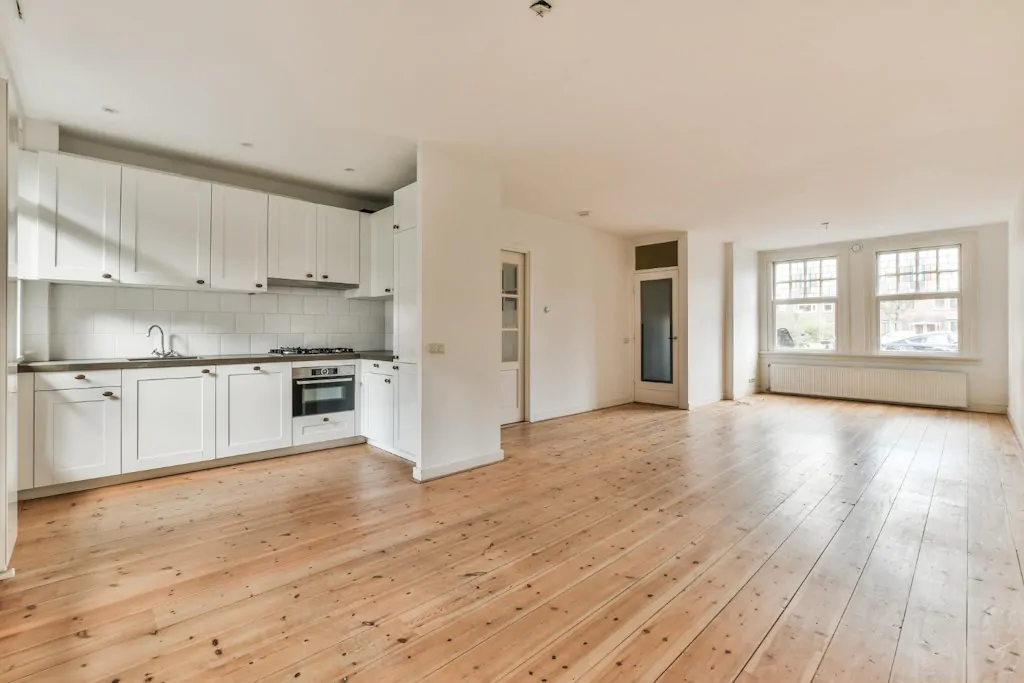
If you’re going to lose deposit money anywhere, it’s the kitchen. Landlords check every appliance and every cabinet. Here’s the full breakdown:
Cabinets and drawers:
- Empty completely — check every corner for crumbs and forgotten items
- Wipe inside every cabinet and drawer (top, sides, bottom, inside of door)
- Pay extra attention to upper cabinets near the stove — grease vapor coats them
- Remove drawer liners if they’re yours
Countertops and backsplash:
- Scrub and disinfect all countertop surfaces
- Scrub grout lines in tile backsplash
- Check caulk lines where counter meets wall
Stove and oven:
- Stovetop: Degrease surface, burner grates, and knobs. Clean UNDER the burner grates and drip pans.
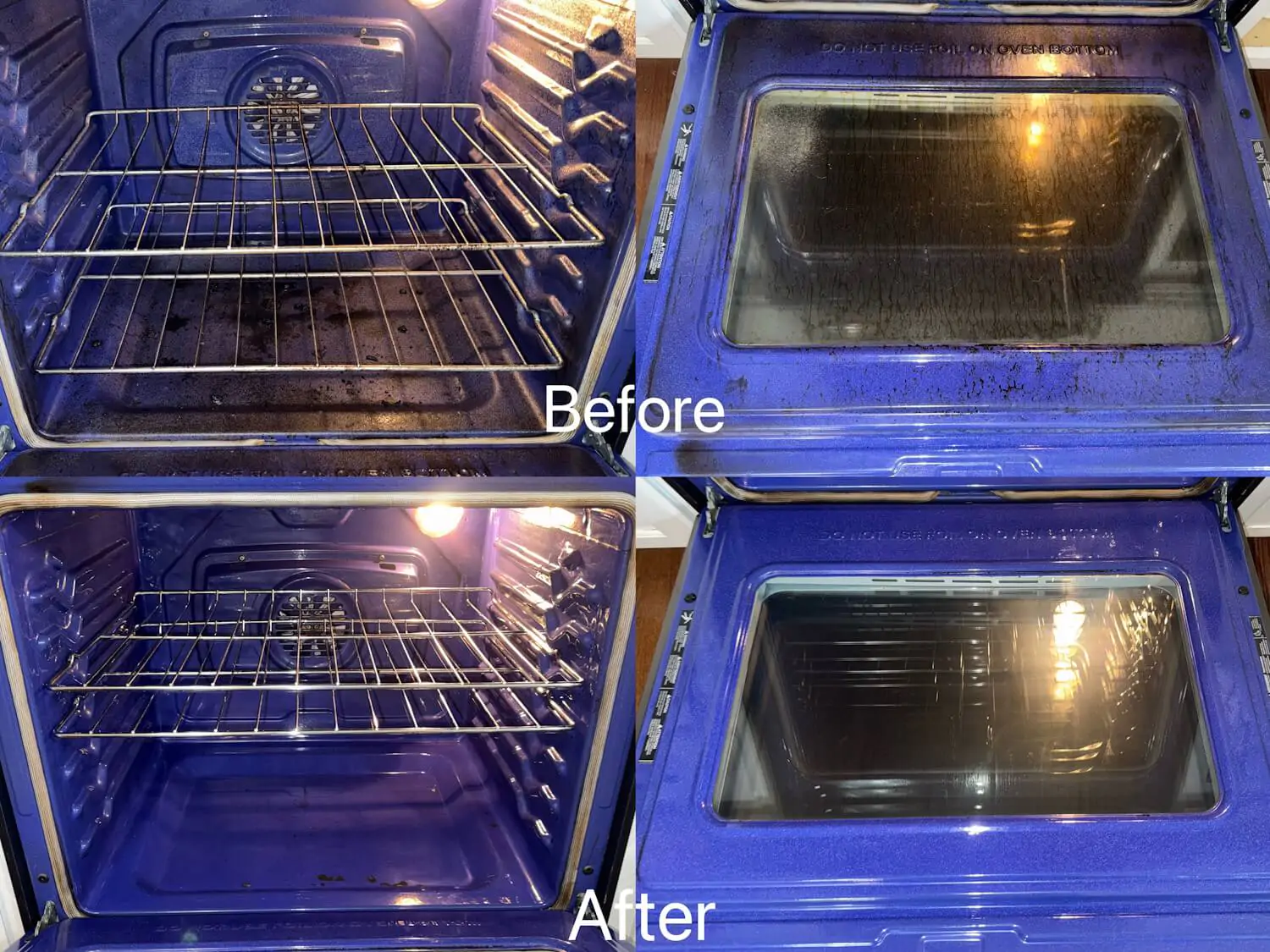
- Oven interior: Use oven cleaner per instructions. This is the #1 kitchen deduction — a dirty oven costs renters an average of $50–$150 in cleaning fees.
- Oven glass: Clean inside and outside
- Racks: Remove and clean separately in soapy water
- Broiler pan/drawer: Empty and clean
- Range hood: Clean the vent screen and wipe the underside
Refrigerator:
- Empty completely — check every drawer and shelf
- Wipe interior walls, shelves, drawers, and the door seal
- Clean the top of the fridge (dust magnet)
- Pull fridge out (if possible) and clean behind and underneath
- Leave door slightly open if unit will be empty for a while — prevents mold
- Defrost freezer if applicable
Dishwasher:
- Run empty cycle with dishwasher cleaner or vinegar
- Clean the door seal and filter
- Wipe exterior and control panel
Microwave:
- Steam clean interior with vinegar and water
- Wipe exterior and door glass
- Clean turntable in the sink
Sink and faucet:
- Scrub basin, faucet, and drain
- Remove limescale from faucet with white vinegar
- Clean garbage disposal (if applicable) — grind ice cubes and lemon peels
Floor:
- Sweep, mop, and clean under where appliances were sitting
🚪 Living Room, Dining Room, and Common Areas
- Vacuum carpet or mop hard floors — every corner and under where furniture was
- Wipe baseboards
- Clean windows inside — including tracks and sills
- Dust ceiling fans and light fixtures
- Wipe air vents (register covers)
- Disinfect light switches and outlet covers
- Clean fireplace if applicable
- Wipe interior doors (both sides) and door frames
🧺 Laundry Area
- Wipe inside and outside of washer (if included with rental)
- Run empty hot cycle with vinegar to clean drum
- Clean dryer lint trap thoroughly — clogged lint is a fire hazard and landlord will notice
- Clean behind and under both units if possible
- Wipe utility shelving
- Mop floor
🚪 Entryway, Hallways, and Exterior
- Clean both sides of front and back doors (including glass panels)
- Wipe doorknobs, deadbolts, and door frames
- Clean the threshold
- Wipe walls of hallways for scuffs (magic eraser works wonders)
- Vacuum and mop floors
- Sweep porch, patio, or balcony
- Remove any trash or personal items from outside areas
The “Landlord Really Checks This” Zones
Based on what our GoShineUp team hears from Oakland County property managers, these are the spots that most commonly result in deposit deductions. Don’t skip them:
| Zone | Why It Matters | Deduction Range |
|---|---|---|
| Oven interior | Highest complaint from landlords | $50–$150 |
| Refrigerator (interior + door seal) | Second most common deduction | $40–$100 |
| Range hood filter | Grease buildup = cleaning fee | $25–$75 |
| Carpet stains (especially from pets) | Often requires professional cleaning | $75–$300+ |
| Grout in bathroom | Mold and stains are chargeable damage | $50–$150 |
| Nail holes in walls | Landlord may charge for spackle/paint | $10 per hole |
| Baseboards | Dust and scuffs signal “not deep cleaned” | $30–$75 |
| Blinds | Dusty or bent slats | $20–$100 |
| Behind and under appliances | Landlords do check | $30–$75 |
| Window tracks | Dead insects and debris | $20–$50 |
Add these up and you can see how quickly a “quick clean” can cost you $500+.
Repair Before You Clean: Common Fixes
Some things need repair, not just cleaning. Handle these before your final walkthrough:
Nail holes and small wall damage:
- Fill with spackle, sand smooth, touch up with matching paint
- Don’t just fill — sanding and painting matters
Scuffs on walls:
- Magic eraser removes most scuffs without repainting
- For deeper marks, small touch-up paint job
Loose door handles, cabinet knobs, towel bars:
- Tighten with a screwdriver — takes 30 seconds, saves cleaning fee
Burnt-out light bulbs:
- Replace them all. This is a common $5–$15 per bulb deduction if you don’t.
Blinds with bent slats:
- Replacement mini-blinds are $10–$30 at Home Depot — cheaper than the deduction
Caulk lines:
- Discolored or missing caulk around tub, toilet, or sink — cheap to redo, expensive when landlord charges you
What NOT to do:
- Don’t patch large holes yourself unless you’re skilled (bad patches look worse)
- Don’t paint if you’re not confident matching the color — mismatched paint jobs get deducted
- Don’t try to replace flooring, tile, or major fixtures — leave that to professionals or landlord
Common Move-Out Mistakes That Cost Deposits
1. Not providing forwarding address in writing (within 4 days). This alone can cost you your entire deposit under Michigan law. Send it certified mail or get a signed receipt.
2. Skipping the pre-move-out walkthrough. If your landlord identifies issues before you’re out, you have time to fix them. Skip this and you find out via a deduction letter 30 days later.
3. Leaving trash or personal items behind. Even one bag left = disposal fee. Sometimes $100+.
4. Not cleaning inside the oven. Universal deduction. Always.
5. Ignoring the refrigerator door seal. Grime and food residue in the rubber seal is on every inspection checklist.
6. Forgetting behind appliances. Landlords move appliances during inspection. If it’s gross behind the fridge, you’ll pay.
7. Bad wall patches. A sloppy spackle job is worse than the hole itself. Either do it right or leave it.
8. Not documenting condition. No photos = no evidence in a dispute. Always document.
9. Missing the 7-day dispute window. If you disagree with deductions, you must respond in writing within 7 days.
10. Assuming “normal wear and tear” covers dirt. It doesn’t. Wear and tear = physical aging. Dirt = your responsibility.
Move-Out vs. Move-In Cleaning: What’s the Difference?
| Move-Out Cleaning | Move-In Cleaning | |
|---|---|---|
| Who benefits | You (get deposit back) + next tenant | You (starting fresh) |
| Focus | Meeting landlord inspection standards | Removing previous occupant traces |
| Time typically needed | 4–8 hours (empty unit) | 3–6 hours (empty unit) |
| Priority zones | Kitchen, bathroom, appliances | Bathrooms, kitchen, HVAC vents |
| Legal stakes | Security deposit refund | Health/hygiene of new home |
Many of our clients book us for both — a move-out clean on their current place and a move-in clean at the new one. For the full move-in process, see our Move-In Cleaning Checklist.
📥 Download the Free Move-Out Cleaning Checklist PDF
We put together a ready-to-print PDF version of this checklist — the same one our GoShineUp team uses on every move-out job across Oakland County.
⬇️ Download the Free Move-Out Cleaning Checklist PDF
Print it, check off each item as you go, and hand a copy to your landlord during the walkthrough — it shows you took the cleaning seriously.
How Much Does Move-Out Cleaning Cost in Oakland County?
Costs vary by size and condition, but here are realistic estimates for Michigan:
| Property Size | DIY Time | Professional Cost (Estimate) |
|---|---|---|
| Studio / 1 bed apartment | 4–6 hours | $150–$300 |
| 2 bed apartment | 6–8 hours | $200–$400 |
| 3 bed home | 8–12 hours | $300–$550 |
| 4+ bed home | 12+ hours | $400–$700+ |
| Extra dirty / long-term rental | Add 30–50% | Add 30–50% |
Math to consider: Average security deposit in Michigan is 1 to 1.5 months rent. If your rent is $1,500, your deposit is $1,500–$2,250. A $300 professional clean that saves your full deposit is a 500%+ ROI.
When to Hire GoShineUp Instead of DIY
Doing it yourself works if you have the time, energy, and attention to detail. But hire pros if:
- You’re moving on a tight schedule and can’t dedicate a full day+ to cleaning
- Your rental is 2+ bedrooms
- Pets lived in the home
- You’re concerned about the oven or carpet stains
- Your deposit is significant (over $1,000)
- You want documented proof that a professional service cleaned the unit
Our move-in/move-out cleaning service covers every item on this checklist. We bring everything, work as an organized team, and provide a service receipt you can show your landlord.
We serve all of Oakland County from our Waterford base: Pontiac, West Bloomfield, Troy, Royal Oak, Birmingham, Novi, White Lake, Commerce Township, and Bloomfield Hills.
FAQs: Move-Out Cleaning in Michigan
GoShineUp Cleaning LLC — Serving Waterford Township, Pontiac, White Lake, West Bloomfield, Troy, Royal Oak, Birmingham, Novi, Bloomfield Hills, and all of Oakland County, MI. Licensed • Insured • Family-Owned